


High Altitude Impact on Epoxy Resin CT Abnormal Heating and Partial Discharge
Executive Summary
Current transformers installed at high altitude (>1000m) experience reduced air density, which affects heat dissipation and partial discharge characteristics. Epoxy resin CTs deployed at altitude without proper derating may suffer from abnormal heating, accelerated insulation aging, and premature failure. This technical note examines altitude effects and provides selection guidelines for high-altitude installations.
Altitude Effects on CT Performance
1. Reduced Heat Dissipation
Air density decreases with altitude, reducing convective heat transfer:
| Altitude | Air Density | Heat Dissipation | Temperature Rise |
|---|---|---|---|
| Sea level (0m) | 1.225 kg/m³ | 100% | Baseline |
| 1000m | 1.112 kg/m³ | ~90% | +5-8°C |
| 2000m | 1.007 kg/m³ | ~80% | +10-15°C |
| 3000m | 0.909 kg/m³ | ~70% | +15-20°C |
| 4000m | 0.819 kg/m³ | ~60% | +20-25°C |
Consequence: A CT rated for 40°C temperature rise at sea level may experience 55-60°C rise at 3000m, exceeding insulation class limits.
2. Partial Discharge Behavior
Lower air pressure reduces the dielectric strength of air gaps and voids within the insulation system:
- Paschen’s Law: Breakdown voltage of air gaps decreases with reduced pressure
- PD inception voltage: Drops by ~10% per 1000m altitude increase
- Surface discharge: More likely along insulator surfaces due to reduced flashover voltage
3. External Insulation Coordination
Creepage and clearance distances must be increased for high-altitude installations:
- Clearance: Increase by 1% per 100m above 1000m (per IEC 60071)
- Cree page: Increase by one pollution level class for every 1000m
Abnormal Heating Mechanisms
Primary Causes
- Insufficient heat dissipation: Reduced air density limits natural convection cooling
- Increased dielectric losses: Partial discharge activity generates heat within insulation
- Core losses: Hysteresis and eddy current losses increase with temperature
- Conductor I²R losses: Higher resistance at elevated temperature creates positive feedback
Thermal Runaway Risk
At high altitude, the following cycle can occur:
- Initial temperature rise due to reduced cooling
- Increased conductor resistance → higher I²R losses
- Higher losses → more temperature rise
- Epoxy resin Tg approached → mechanical properties degrade
- Micro-cracks form → PD activity increases
- PD generates heat → further temperature rise
- Thermal runaway → insulation failure
Altitude Derating Guidelines
Per IEC 61869-1
Standard CTs are designed for installation up to 1000m. For higher altitudes:
| Altitude Range | Current Rating Factor | Temperature Rise Limit | Special Requirements |
|---|---|---|---|
| 1000-2000m | 0.95 | Reduce by 5°C | Verify PD performance |
| 2000-3000m | 0.90 | Reduce by 10°C | Altitude-corrected design |
| 3000-4000m | 0.85 | Reduce by 15°C | Special high-altitude type |
| >4000m | Per manufacturer | Per manufacturer | Custom design required |
Manufacturer-Specific Solutions
- Enhanced cooling: Larger surface area, cooling fins, forced air (if available)
- Low-loss core material: Amorphous alloy or high-grade silicon steel
- High-Tg resin: Epoxy with Tg ≥ 140°C (vs. standard 120°C)
- PD-resistant formulation: Nano-filled epoxy with improved void resistance
Selection Criteria for High Altitude
Must-Have Features
- [ ] Altitude rating clearly specified on nameplate (e.g., “Suitable for 3000m”)
- [ ] Type test reports include high-altitude simulation or correction factors
- [ ] PD level ≤ 5 pC at 1.1 × Um/√3 (stricter than standard 10 pC)
- [ ] Temperature rise test conducted at simulated altitude or with correction applied
- [ ] Creepage distance increased per pollution level + altitude correction
Preferred Features
- [ ] RTV silicone coating for enhanced surface insulation
- [ ] Pressure-equalizing breather (for oil-filled types)
- [ ] Temperature monitoring provision (embedded sensor or IR-friendly surface)
- [ ] UV-resistant housing (high-altitude UV radiation is more intense)
Installation Considerations
Spacing and Ventilation
- Minimum clearance: Increase by 15-20% above standard requirements
- Airflow: Ensure unobstructed natural convection; avoid enclosed spaces
- Solar radiation: Provide shade or reflective coating to reduce solar heating
- Phase spacing: Increase to reduce mutual heating effects
Environmental Protection
- UV protection: Specify UV-stabilized resin or protective coating
- Temperature extremes: High-altitude sites often experience wide daily temperature swings (-20°C to +40°C)
- Ice/snow: Design for ice loading; ensure drainage paths don’t freeze
- Wind: High-altitude sites often have strong winds; verify mechanical strength
Field Testing and Monitoring
Commissioning Tests
- [ ] Insulation resistance: > 1000 MΩ at 2500V DC (corrected for temperature)
- [ ] Partial discharge: ≤ 5 pC at 1.1 × Um/√3
- [ ] Ratio and phase angle: Within specified accuracy class
- [ ] Temperature rise: Infrared thermography during initial loading
Ongoing Monitoring
- Quarterly: Visual inspection for discoloration, cracking, surface tracking
- Annually: Infrared thermography during peak load
- Every 3 years: PD measurement (online or offline)
- After extreme events: Insulation resistance test following lightning storms or seismic events
Case Study: 3500m Substation
Location: Tibetan plateau, 3500m altitude
Problem: Standard 35kV CTs failed after 18 months due to thermal degradation
Root cause analysis:
- Actual temperature rise: 65°C (vs. rated 40°C)
- Epoxy Tg: 125°C (approached during summer peak load)
- PD activity: 50-100 pC detected before failure
Solution: Replaced with high-altitude type CTs featuring:
- Altitude rating: 4500m
- High-Tg resin (155°C)
- Increased creepage (31mm/kV → 37mm/kV)
- RTV silicone coating
Result: 5+ years of trouble-free operation
Engineering Checklist
Specification
- [ ] Altitude clearly stated in procurement documents
- [ ] Current rating derated per IEC 61869-1 or manufacturer guidance
- [ ] Temperature rise limit reduced appropriately
- [ ] PD acceptance limit: ≤ 5 pC at 1.1 × Um/√3
- [ ] Creepage distance increased for altitude + pollution level
Verification
- [ ] Type test reports include altitude correction or high-altitude simulation
- [ ] Manufacturer confirms suitability for specific altitude
- [ ] Nameplate includes altitude rating
- [ ] Installation instructions address altitude-specific requirements
Conclusion
High-altitude installations require special consideration for CT selection and application. Engineers who apply proper derating factors, specify altitude-rated equipment, and implement enhanced monitoring will avoid premature failures and ensure reliable operation in challenging high-altitude environments.
Critical recommendation: For installations above 2000m, require manufacturers to provide explicit altitude rating and type test evidence. Do not accept “standard” CTs with verbal assurances of suitability.
Technical Reference: IEC 61869-1, IEC 60071, IEEE C57.13, GB/T 16927 (high-altitude insulation coordination)
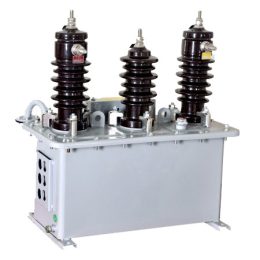
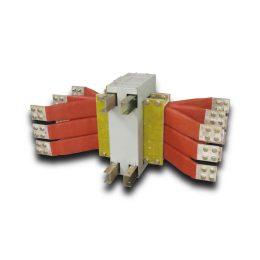
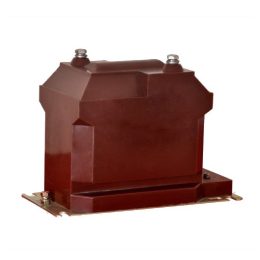
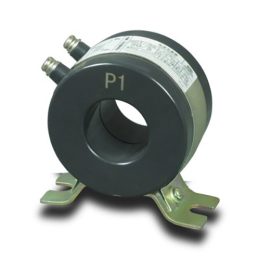
- 4 Common Causes of 10kV Three-Phase Five-Pole Voltage Transformer Failures and Solutions
- JLSZW Outdoor Epoxy Resin Combined Instrument Transformer
- Troubleshooting Techniques for Burnt Voltage Transformers
- Current Transformer Saturation Impact on Protection Relay Accuracy During Fault Currents
- Zero-Sequence Current Transformers vs. Standard Current Transformer
- Current Transformer Transient Characteristics and DC Offset Impact