


-
JDJ2-35, JDJJ2-35 single-phase outdoor oil-immersed potential transformer
Product Overview The JDJ2-35 and JDJJ2-35 (also designa […]
2026-03-02 -
JDZW-35, JDZ(X)FW-35kV outdoor cast resin voltage transformers
Product Overview Functional Definition The JDZW-35, JDZ […]
2026-03-02 -
JDZW-35KV fully-enclosed epoxy resin voltage transformer (outdoor)
Product Overview Functional Definition The JDZW-35 seri […]
2026-03-02 -
JDZW-20, JDZW2-20KV outdoor epoxy resin voltage transformers
Product Overview Functional Definition The JDZW-20 and […]
2026-03-02 -
Voltage Transformer Ferroresonance Mitigation: Damping Resistor Selection and Application
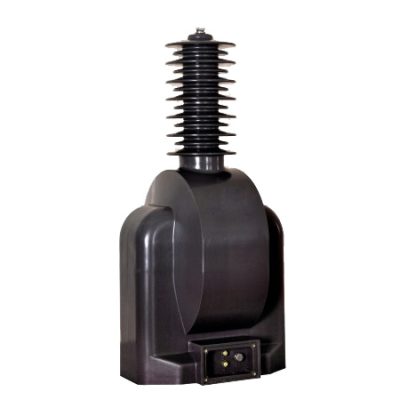 Executive Summary Ferroresonance in voltage transformers (VTs) is a dangerous phenomenon that can cause sustained overvoltages, equipment damage, and system outages. Proper selection and application of damping resistors is the most effective mitigation technique. This technical note examines ferroresonance mechanisms and provides practical damping resistor design guidelines. Understanding Ferroresonance The Phenomenon Ferroresonance occurs when the…
2026-03-02 -
Secondary Burden Impact on Current Transformer Accuracy Classes: Mechanism Analysis and Calibration Strategy
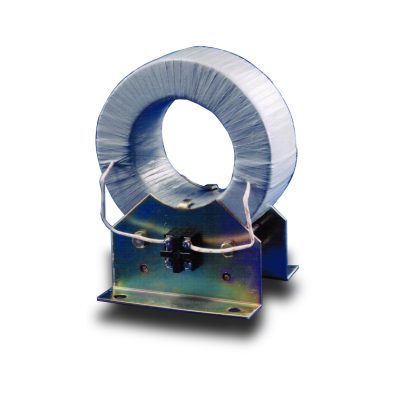 Executive Summary Secondary burden is a critical but often overlooked parameter affecting current transformer accuracy. Excessive burden causes ratio error and phase displacement to exceed specified limits, leading to metering inaccuracies and protection misoperation. This technical note examines burden effects on accuracy classes and provides calculation and calibration strategies. Understanding Secondary Burden Definition Secondary burden…
2026-03-02 -
Vacuum Interrupter Analysis: Electrical Durability and Arc Physics
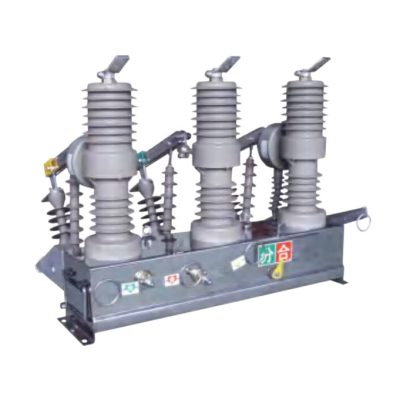 ZW32-12 Vacuum Interrupter Electrical Durability Analysis ZW32-12 Pole-Mounted Vacuum Circuit Breaker: Vacuum Interrupter Electrical Durability and Contact Life Analysis Executive Summary The ZW32-12 pole-mounted vacuum circuit breaker represents a critical component in medium-voltage distribution networks, operating at 12kV nominal voltage with rated short-circuit breaking currents typically ranging from 16kA to 25kA. This technical analysis focuses…
2026-03-02 -
High Altitude Impact on Epoxy Resin CT Abnormal Heating and Partial Discharge
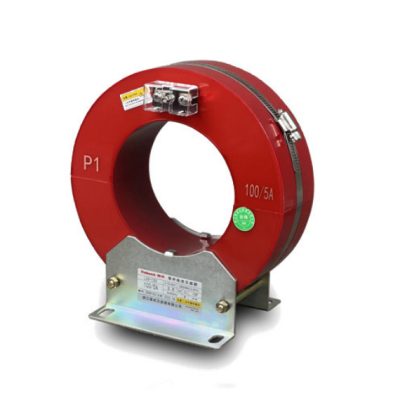 Executive Summary Current transformers installed at high altitude (>1000m) experience reduced air density, which affects heat dissipation and partial discharge characteristics. Epoxy resin CTs deployed at altitude without proper derating may suffer from abnormal heating, accelerated insulation aging, and premature failure. This technical note examines altitude effects and provides selection guidelines for high-altitude installations. Altitude…
2026-03-02 -
CT Saturation Impact on Protection Relay Accuracy During Fault Currents
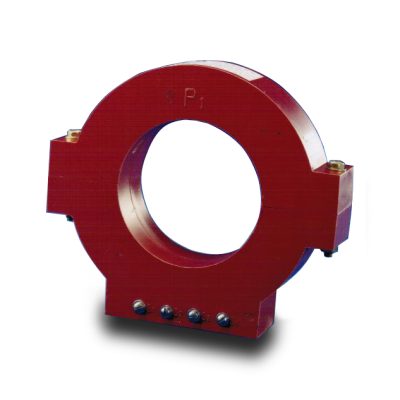 Executive Summary Current transformer (CT) saturation during fault currents is a leading cause of protection relay misoperation. When a CT saturates, the secondary current waveform becomes distorted, causing relays to under-reach, over-reach, or fail to operate entirely. This technical note examines the saturation mechanism, its impact on different relay types, and selection criteria to ensure…
2026-03-02 -
LZZBJ9-35 High Voltage Insulation Design for 35kV Current Transformers
LZZBJ9-35 High Voltage Insulation Design for 35kV Current Transformers Executive Summary The LZZBJ9-35 represents a critical class of 35kV epoxy resin cast current transformers designed for indoor metering and protection…2026-03-02
-
JDZ-10 Voltage Transformer: Accuracy Classes and Secondary Burden
JDZ-10 Voltage Transformer: Accuracy Classes and Secondary Burden Characteristics Executive Summary The JDZ-10 is a 10kV epoxy resin cast voltage transformer (VT) designed for indoor metering and protection applications in medium-voltage switchgear systems. This technical document provides an in-depth analysis of two critical performance aspects: accuracy class characteristics and secondary burden behavior. Understanding these parameters…
2026-03-02 -
Ground Fault Protection Coordination in Ungrounded Systems
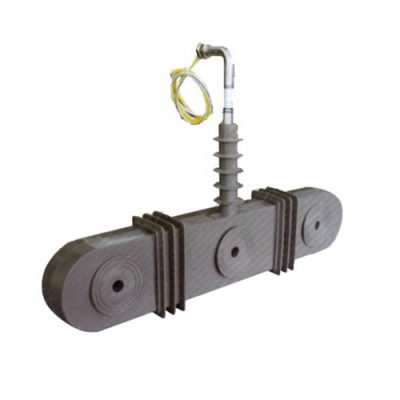 Ground Fault Protection Coordination in Ungrounded and High-Impedance Grounded Systems Ground Fault Protection Coordination in Ungrounded and High-Impedance Grounded Systems Executive Summary Ground fault protection in ungrounded and high-impedance grounded (HRG) systems presents unique engineering challenges that differ fundamentally from solidly grounded system protection. Unlike conventional ground fault schemes that rely on high fault currents…
2026-03-02 -
Current Transformer Transient Characteristics and DC Offset Impact
Current Transformer Transient Characteristics and DC Offset Impact on Protection Relays Executive Summary Current transformers (CTs) serve as the critical interface between high-voltage power systems and protective relaying equipment. During fault conditions, the transient behavior of fault currents—particularly the DC offset component—poses significant challenges to CT performance and, consequently, to protection system reliability. This document…
2026-03-02 -
Current Transformer Accuracy Classes: 0.2S vs 0.5S vs 5P vs 10P
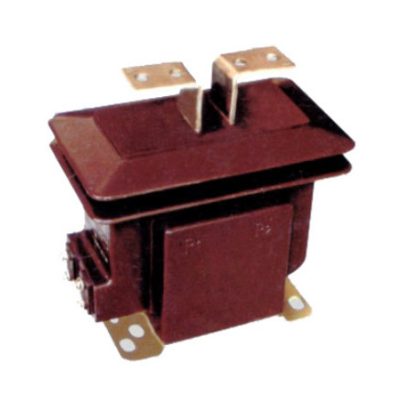 Current Transformer Accuracy Classes: 0.2S vs 0.5S vs 5P vs 10P – Complete Engineering Guide Executive Summary Current Transformer (CT) accuracy classes define the precision with which a CT reproduces primary current in its secondary winding. Understanding the distinction between metering classes (0.2S, 0.5S) and protection classes (5P, 10P) is critical for proper CT selection…
2026-03-02 -
Ferroresonance Overvoltage Protection in 3-35kV Voltage Transformers: Mechanism Analysis and Mitigation Strategies
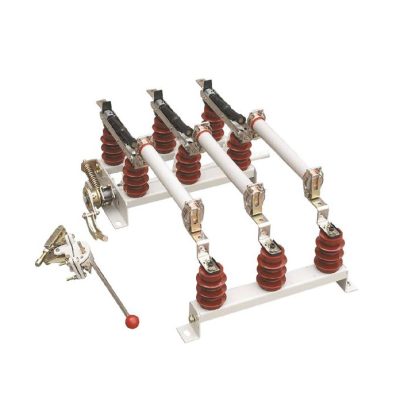 Technical analysis of ferroresonance overvoltage mechanism and protection strategies for 3-35kV voltage transformers in ungrounded distribution systems.
2026-03-01
