Overview
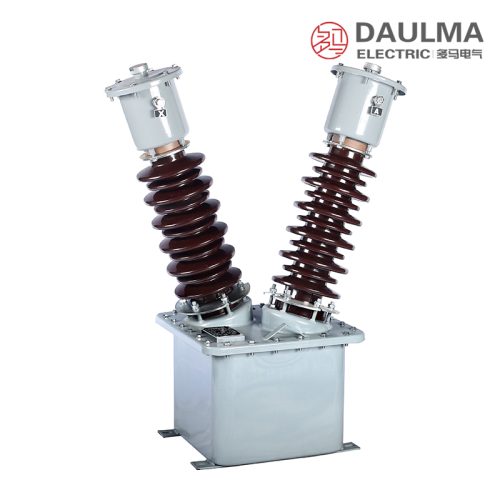
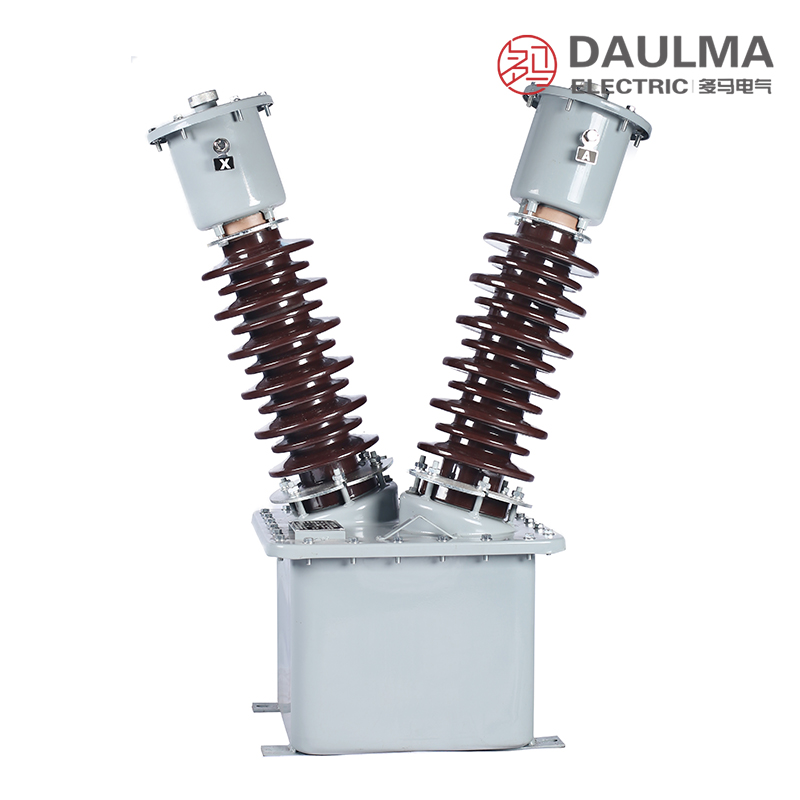
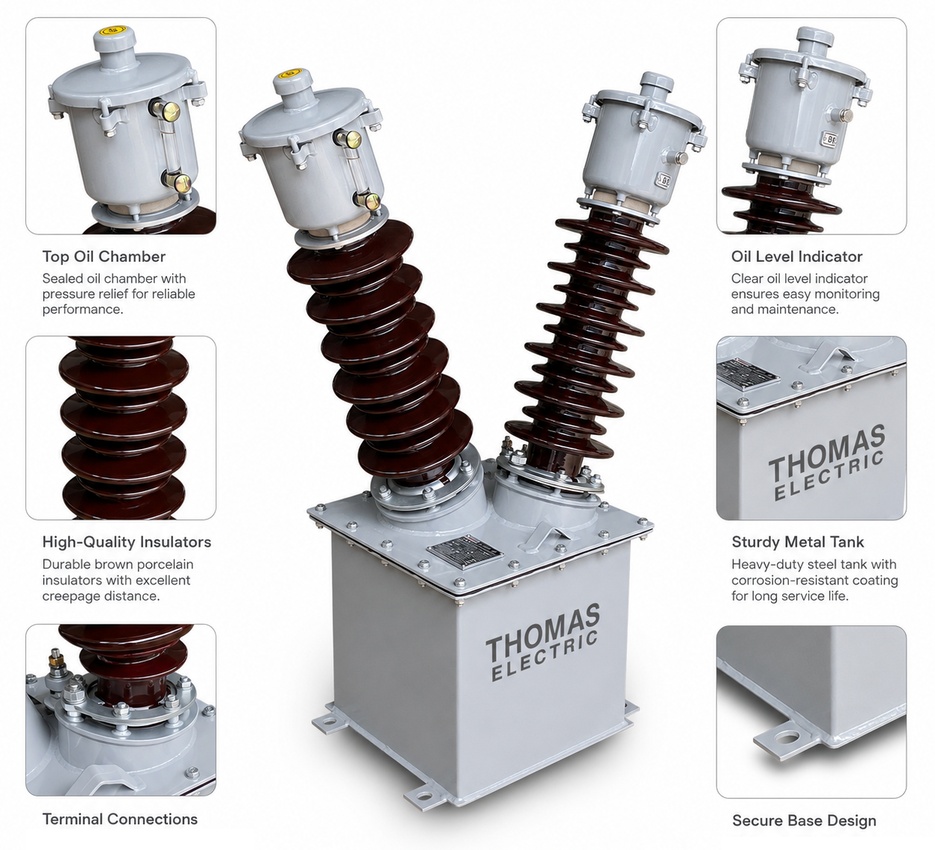
The JDJJ2-35/JDJJF2-35L is a 35kV outdoor oil-immersed single-phase voltage transformer engineered for high-voltage power systems requiring reliable voltage measurement and superior thermal performance. Designed with enhanced anti-pollution features, it operates continuously in harsh environments from -40degC to +40degC. The oil-immersed insulation system ensures exceptional heat dissipation, supporting heavy-burden applications with thermal limit outputs up to 800VA.
This series delivers flexible configurations: the JDJJ2-35 provides standard transformation (35/â3 : 0.1/â3 : 0.1/3 kV), while the JDJJF2-35L adds a residual voltage winding (35/â3 : 0.1/â3 : 0.1/â3 : 0.1/3 kV) for ground fault detection and neutral monitoring. Both models comply with GB20840.3-2013 and IEC61869-3:2011 standards.
Key Ratings Snapshot
| Parameter | Value |
|---|---|
| System Voltage | 35 kV |
| Insulation Level | 40.5/80/185 kV |
| Primary Voltage Ratio | 35/â3 kV |
| Secondary Voltages | 0.1/â3 kV, 0.1/3 kV (residual optional) |
| Accuracy Classes | 0.2, 0.5, 1.0, 3P |
| Thermal Limit Output (JDJJ2-35) | 800 VA |
| Thermal Limit Output (JDJJF2-35L) | 600 VA |
| Frequency | 50 Hz or 60 Hz |
| Phase Configuration | Single-phase |
| Ambient Temperature Range | -40degC to +40degC |
Construction
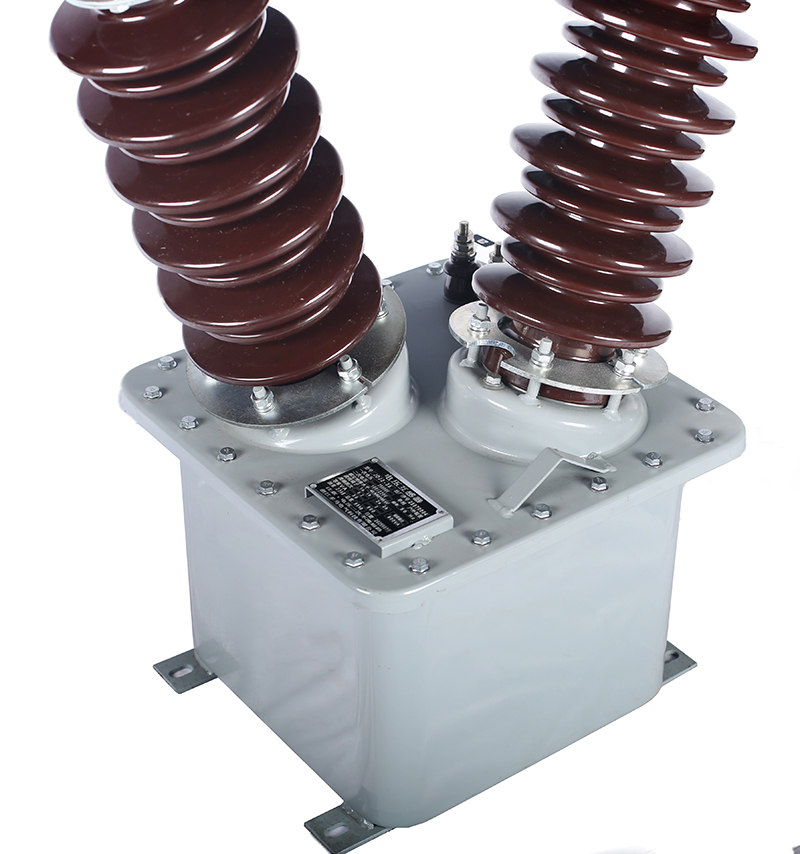
The JDJJ2-35/JDJJF2-35L features a fully enclosed oil-immersed tank that prevents oil aging by minimizing exposure to air, moisture, and contaminants. This sealed design enhances dielectric integrity and extends service life beyond 30 years with proper maintenance. Natural oil circulation efficiently transfers heat from the core and windings to the tank walls, enabling continuous operation under high thermal loads.
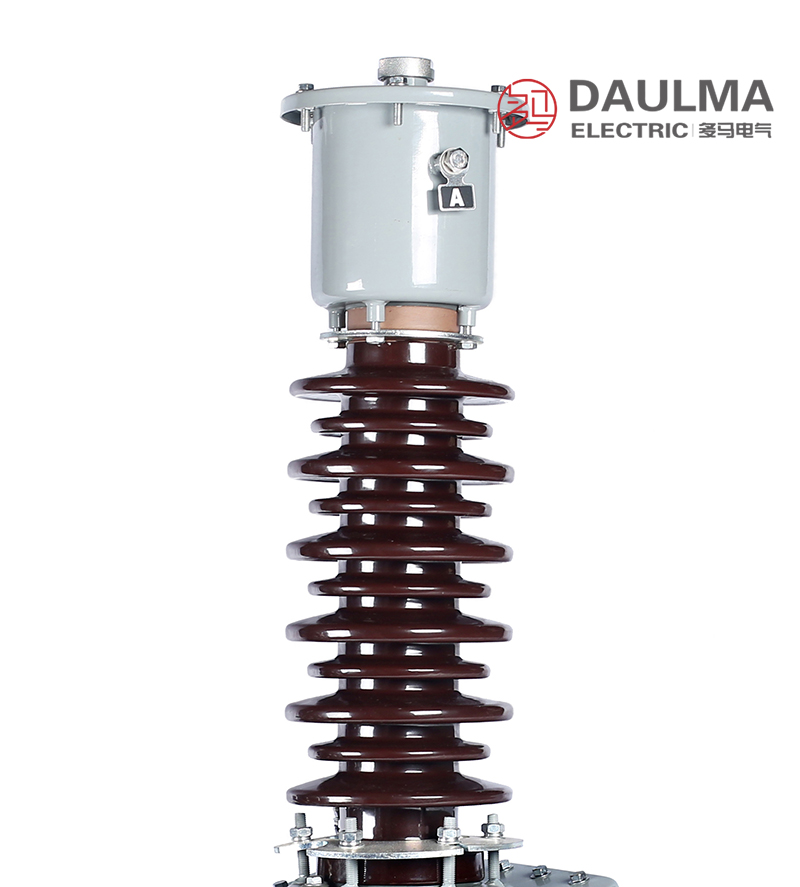
Built for outdoor use, the transformer withstands extreme temperatures, humidity, and industrial pollution. High-voltage bushings with M10 studs and a bottom-mounted terminal box (5 or 7 terminals depending on model) ensure secure and shielded secondary connections. The robust construction meets stringent international standards for reliability in transmission and distribution networks.
Technical Parameters
Service Conditions
- Installation Position: Outdoor substations, switching stations, transmission networks
- Ambient Temperature: -40degC to +40degC
- Altitude: <= 1000 m (standard)
- Frequency: 50 Hz or 60 Hz
- Phase Configuration: Single-phase (three units for three-phase systems)
- Maintenance Requirement: Periodic oil testing and seal inspection
Technical Data
| Model | Rated Voltage Ratio (kV) |
Accuracy Class & Rated Output (VA) |
Thermal Limit Output (VA) |
Insulation Level (kV) |
|---|---|---|---|---|
| JDJJ2-35 (Standard) |
35/â3 : 0.1/â3 : 0.1/3 | 0.2/3P: 50/100 0.5/3P: 150/100 1.0/3P: 200/100 |
800 | 40.5/80/185 |
| JDJJF2-35L (With residual winding) |
35/â3 : 0.1/â3 : 0.1/â3 : 0.1/3 | 0.2/0.5/3P: 20/30/100 | 600 | 40.5/80/185 |
Installation & Wiring
Installation Diagram
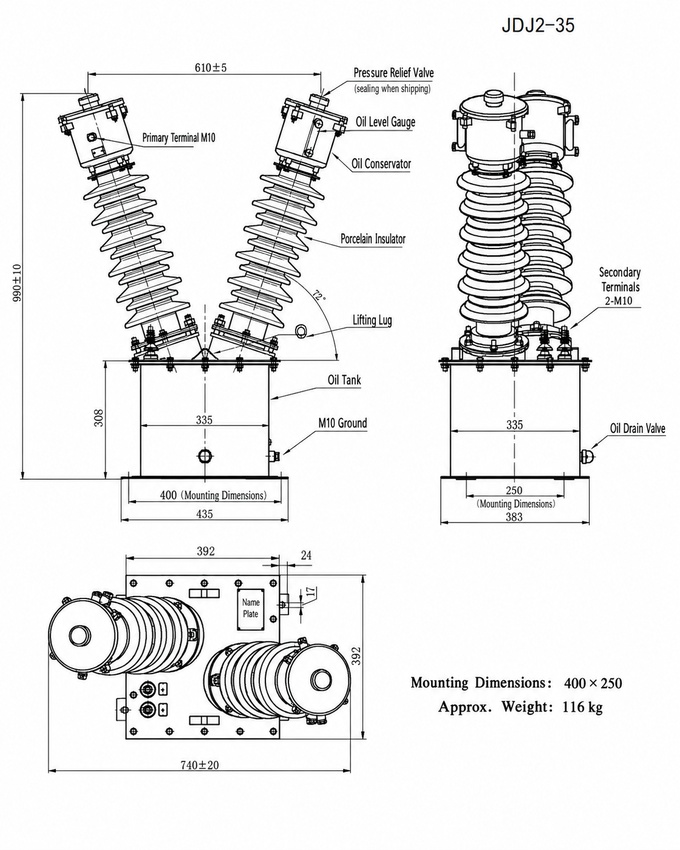
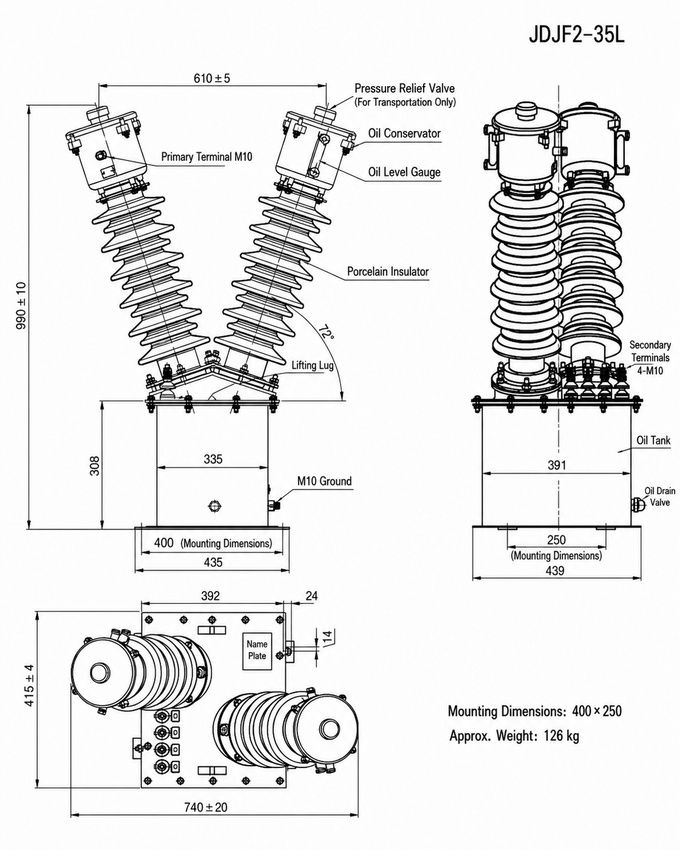
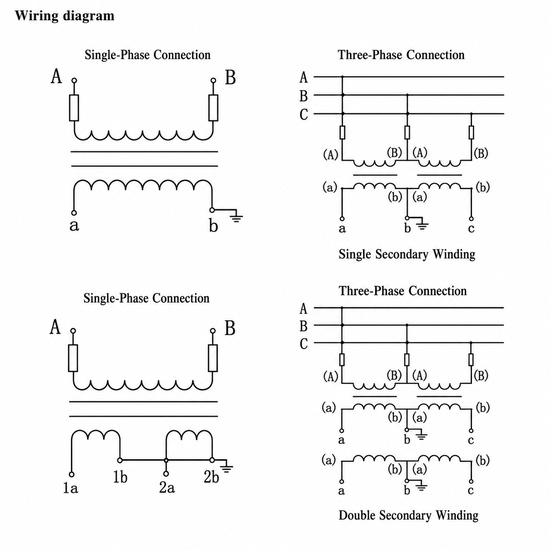
Proper installation ensures safety, performance, and longevity. The transformer must be mounted on a level concrete foundation with adequate grounding and clearance. Primary terminals connect to the 35kV system, while secondary terminals link to metering or protection devices via shielded cables. Polarity and phase sequence must be verified during wiring.
Outline Dimensions
| Model | Height (mm) | Base Width (mm) | Weight (kg) | Mounting Size (mm) | Secondary Terminals |
|---|---|---|---|---|---|
| JDJJ2-35 | 1055 +/- 5 | 435 | 103 | 400 x 250 | 5-M10 |
| JDJJF2-35L | 1055 +/- 5 | 435 | 110 | 400 x 250 | 7-M10 |
Wiring Diagram
Selection & FAQs
Selection Guide
- Select JDJJ2-35 for standard voltage measurement with 800VA thermal capacity; choose JDJJF2-35L if ground fault detection is required.
- Use accuracy class 0.2 for revenue metering, 0.5 for monitoring, 1.0 for general measurement, and 3P for protection relaying.
- Verify that connected burden (meters, relays) does not exceed the rated output for your selected accuracy class.
- Confirm ambient temperature (-40degC to +40degC) and altitude (<=1000 m) match your site conditions.
- Ensure your maintenance program includes periodic oil testingâoil-immersed units are not maintenance-free.
- For high thermal load or continuous heavy-duty operation, oil-immersed design offers better performance than epoxy alternatives.
Frequently Asked Questions
Q1: Which accuracy class is suitable for protective relaying?
Select the 3P accuracy class for protection applications. It ensures reliable performance during fault conditions up to the thermal limit output. Confirm exact burden requirements with our engineering team.
Q2: Can this 35kV voltage transformer operate in extreme cold?
Yes, it is designed for outdoor installation with an ambient temperature range of -40°C to +40°C. Ensure periodic oil testing and seal inspections are maintained for optimal performance.
Q3: What is the difference between JDJJ2-35 and JDJJF2-35L models?
The JDJJF2-35L model includes an additional residual winding for earth fault detection. Both share the same 40.5/80/185 kV insulation level. Specify your secondary winding configuration during ordering.
Q4: Can we customize the voltage ratio for specific projects?
Custom specifications are available by agreement. Standard ratios are 35/√3 kV, but non-standard requirements can be manufactured to match your exact network parameters. Contact our sales team for details.
Q5: What factory tests are performed before shipment?
Factory testing is conducted prior to shipment to ensure product compliance. Specific type tests or special certifications are subject to confirmation based on your project requirements. Request the standard test report template for review.
Q6: Where are these outdoor oil-immersed transformers typically installed?
They are primarily used in outdoor substations, switching stations, and transmission networks up to 1000m altitude. As single-phase units, three transformers are required to form a complete three-phase system.
Q7: How often does the oil-immersed transformer require maintenance?
Periodic oil testing and seal inspections are required to ensure continuous dielectric strength. The exact maintenance schedule depends on your local grid operational standards and environmental conditions. Consult your maintenance manual for intervals.